
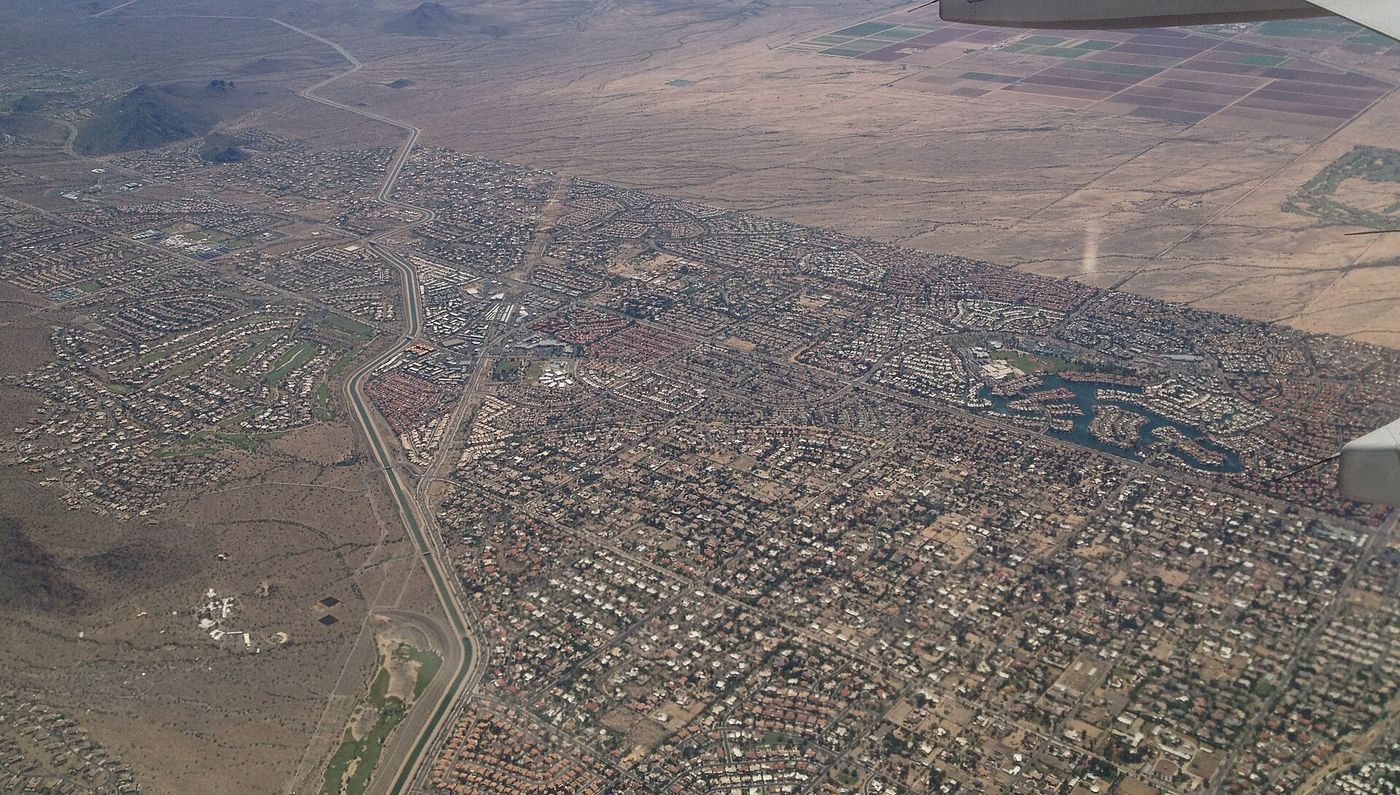
At a glance: Scottsdale spent the 2010s rebuilding from the crash into something more diversified — tech and healthcare payrolls beside the resorts, a serious western museum beside the souvenir shops, an aquarium beside the freeway. And when a city project threatened to build inside the Preserve, the voters delivered the decade’s defining verdict: 71% said the mountains stay wild, forever, unless the voters themselves say otherwise.
The recovery finds new legs
The rebound started slow — 2010’s census (217,385) actually trailed the mid-2000s estimate — but by mid-decade the engine was clearly rebuilt. The Airpark emerged as the star: its hangars-and-offices grid filled with technology, finance, and healthcare employers, from Vanguard’s campus to Axon’s headquarters, making it one of Arizona’s densest jobs centers. Downtown drew its own offices (and the metro’s priciest apartments), Mayo and HonorHealth expanded relentlessly, and by 2019 the city’s economy looked less like a resort town with suburbs than a diversified small metro that happened to include world-class resorts.
Tourism, meanwhile, professionalized its records: the WM Phoenix Open grew into the best-attended golf tournament on earth, Barrett-Jackson and the Arabian show packed WestWorld’s new covered arenas (2014), and spring training at Salt River Fields and Scottsdale Stadium set Cactus League attendance highs.
Culture cashes in its long game
Two openings bookended the decade’s cultural growth:
- Soleri Bridge and Plaza (2010) — Paolo Soleri’s only realized bridge, a solar marker on the canal that turned the Waterfront into a genuine civic space and gave Canal Convergence its stage.
- Western Spirit: Scottsdale’s Museum of the West (2015) — four decades after the gallery district began, Old Town got its institution: a Smithsonian-affiliated museum of western art and history that critics quickly ranked the best of its kind.
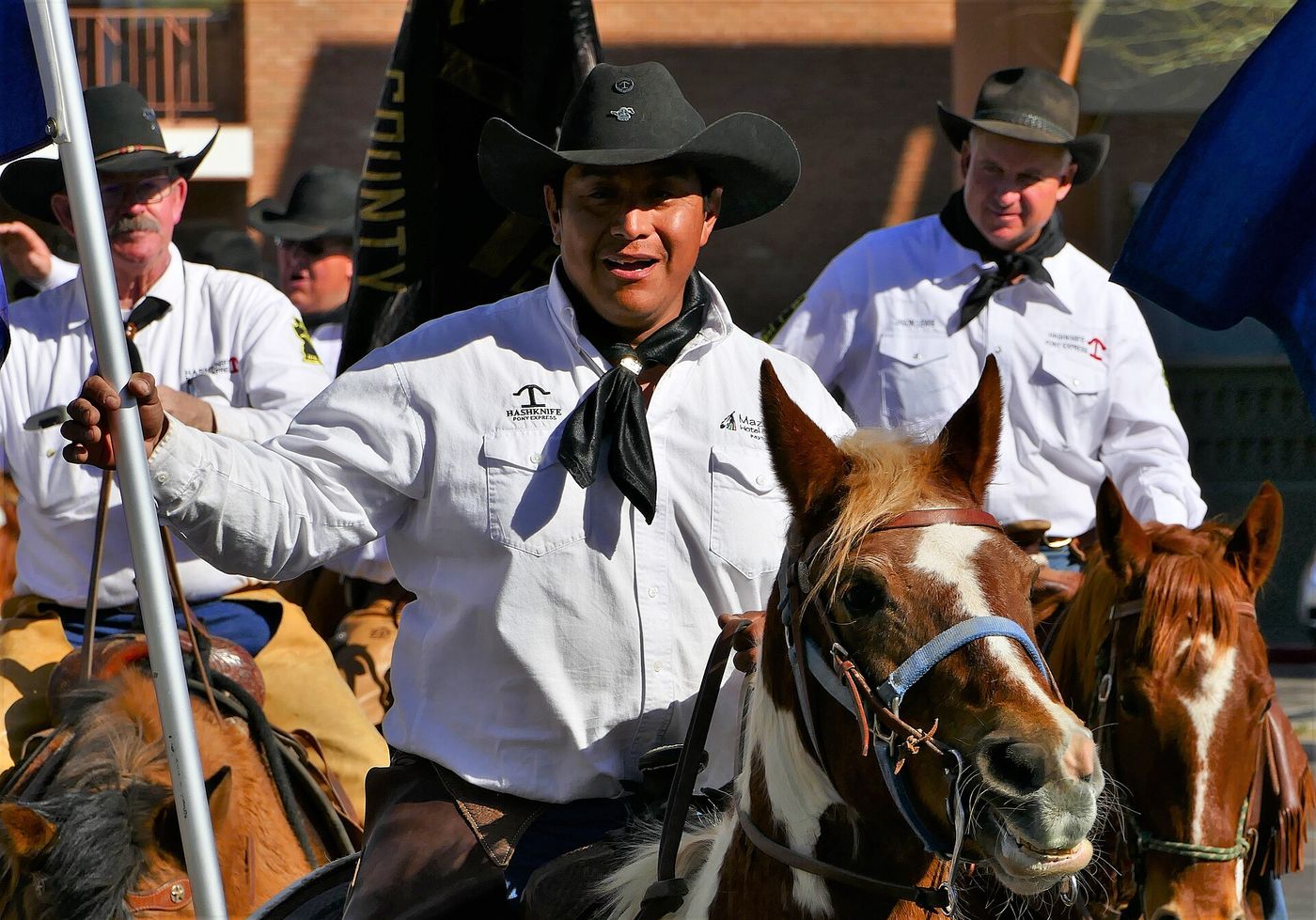
Next door — literally across Loop 101, on Salt River Pima-Maricopa land — the Community’s entertainment corridor boomed: OdySea Aquarium (2016), Butterfly Wonderland, Talking Stick Resort, and Salt River Fields wove the two governments’ visitor economies together more tightly than at any point since wagons tied up at Pima Plaza.
Old Town grows up — and argues about it
Old Town’s bar blocks, known by 2012 as the Entertainment District, held the nightlife boom in a few dense streets. They were never a zoning district; the city managed them through permits and a 2010 bar noise ordinance. They became both a top national going-out destination and the city’s loudest policy argument. By late decade the cranes were back too, and every proposed hotel or condo tower re-fought the eternal Scottsdale question — western character versus urban future — block by block. Those fights, plus short-term rentals, would headline the 2020s.
Prop 420: the mountains get a constitution
The decade’s signature moment came from an unlikely quarter: a city-backed plan for a Desert Discovery Center — an education attraction at the Preserve’s Gateway Trailhead. Supporters saw a world-class interpretive campus; a huge share of residents saw commercial development inside land they had taxed themselves to buy. The backlash organized as Protect Our Preserve, gathered signatures, and in November 2018 Proposition 420 amended the city charter: the natural state of Preserve land cannot be altered, and Preserve funds cannot be used for such projects, without a public vote. It passed with about 71%. On December 11, 2018 the council voted 7 to 0 to end the project, by then called Desert EDGE, “or other similar projects.”
Read together, the Preserve votes of 1995, 1996, 1998, 1999, 2004 and 2018 form a long and consistent record: whatever else Scottsdale disagrees about, the Preserve is settled law because the people keep making it so. The city entered the 2020s at 241,361 residents — pandemic, water politics, and a leadership change waiting in the final chapter.
City Hall in the 2010s
The decade’s politics turned on growth and who gets to decide it. Voters rejected a new General Plan on March 13, 2012, turned down bond packages in 2010 and 2013, and then approved $319 million for 58 projects on November 5, 2019. The Desert Discovery Center fight led to Prop 420. The decade closed with the Southbridge Two referendum, which ended when the council repealed its own approval on April 7, 2020. The 2010s politics chapter tells the whole story.