Between 1910 and 1929 Scottsdale went from frontier colony to functioning small town — twice, because the first economy blew up in the middle.
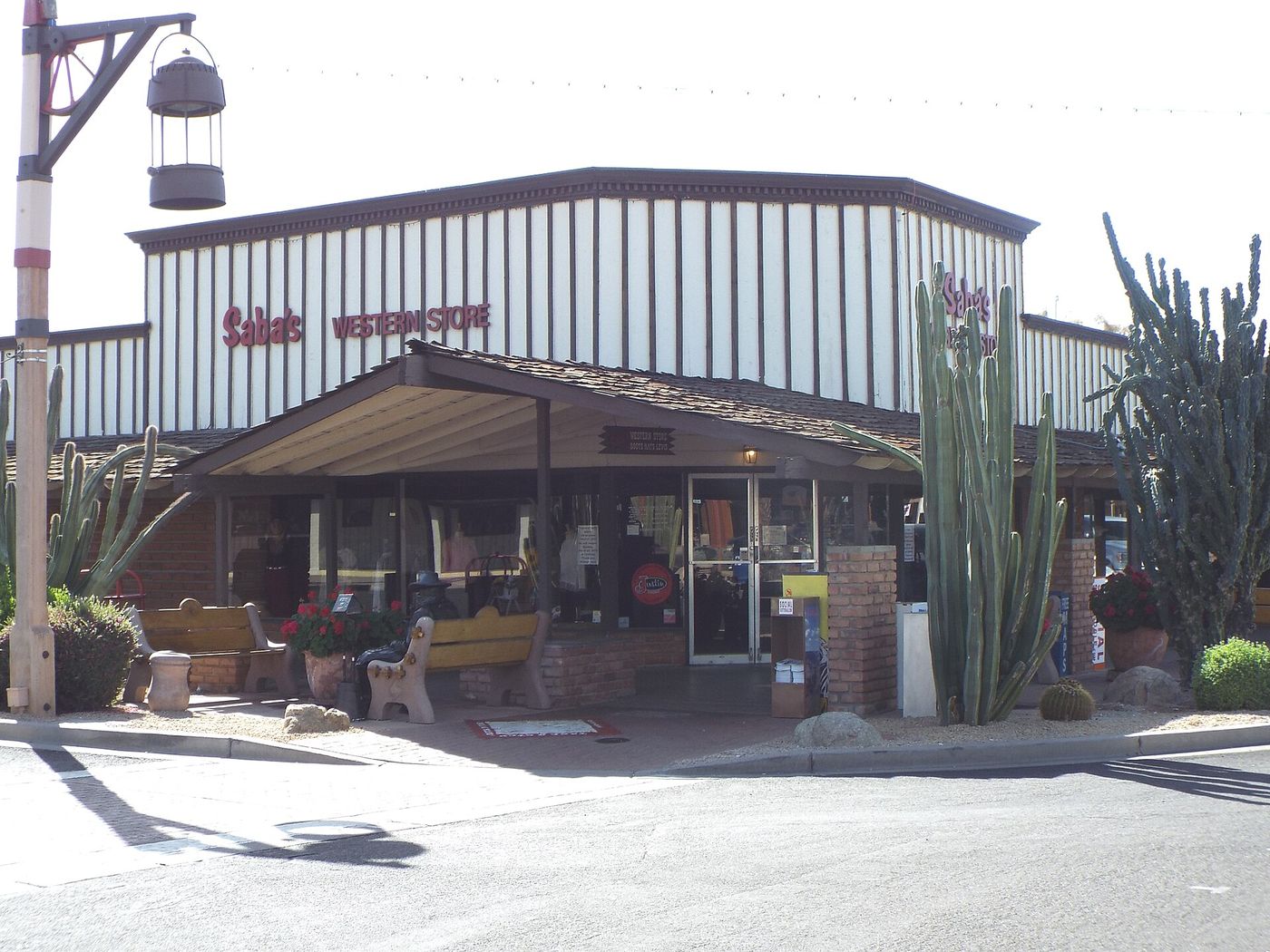
Roosevelt Dam (1911) guaranteed the water; statehood (February 14, 1912) put Arizona on the flag; and World War I turned the surrounding fields into a monoculture of strategic Pima cotton, nearly quadrupling the town and drawing the Mexican and Mexican-American families who became permanent builders of the community. The 1920–21 crash wiped out the cotton fortunes but not the town: the twenties built a genuine Main Street — Saba’s (1927), the Farmer’s State Bank (1921), the Scottsdale Bulletin (1922), Scottsdale High School (1923) — and, decisively, the first tourists arrived. Winter visitors under Camelback and the Evans family’s Jokake Inn (1926) established the winter-visitor economy that would carry every era after.
The decades of this era
- The 1910s — Statehood & Cotton: the dam dedication, statehood, the cotton frenzy, and Pima Plaza.
- The 1920s — Merchants & First Tourists: the crash, the Main Street build-out, and the guest-ranch discovery.