The boomtown era opens with a petition to exist and closes with a city of 88,000 that had already made its two defining wagers: that a manufactured western identity could power a real economy, and that growth could be designed rather than merely endured.
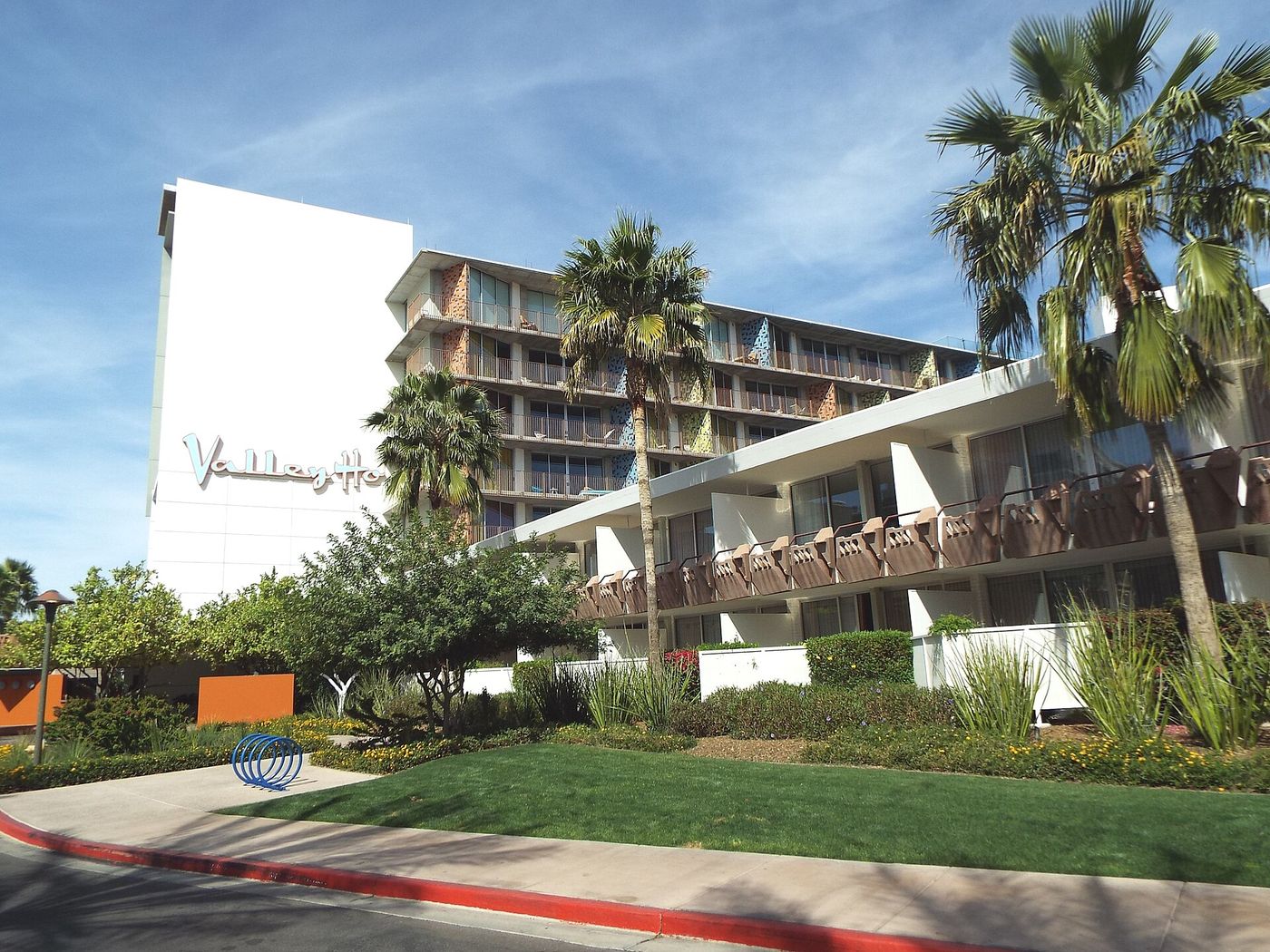
Incorporation came on June 25, 1951 — about half a square mile, 2,032 people, Malcolm White as mayor, and “The West’s Most Western Town” as the pitch. What followed was the fastest sustained growth in city history: the Parada del Sol (1953), Motorola (its Scottsdale plant in 1957), spring training (1956), the Hotel Valley Ho (1956), a charter (1961), the famous rule against new billboards (1962), the STEP citizen planners (1964), Bennie Gonzales’ Civic Center (1968), the annexation race with Phoenix, McCormick Ranch (1972), and — after the Labor Day flood of 1970 — the Indian Bend Wash Greenbelt, the grass-not-concrete decision that became a national model.
The decades of this era
- The 1950s — The West’s Most Western Town: incorporation, the brand, the rodeo, the Valley Ho.
- The 1960s — The Boom Decade: charter, billboard ban, Civic Center, and seven-fold growth.
- The 1970s — The Greenbelt Gamble: the flood, the Greenbelt, McCormick Ranch, and Rawhide (1970 or 1971).