Skip to content
More than just the tips. Start here
Scottsdale.tips
The Field Kit · What to Pack

What to Carry Around Scottsdale: 10 Tested Picks

The everyday kit for a Scottsdale trip: face sunscreen, SPF lip balm, sunglasses, a bottle, sandals, a cooling towel, sleeves, a puffer, a poncho and repellent.

By • 10 items, each bought and tested • Updated November 20, 2026

Heads up: product links below are Amazon affiliate links — as an Amazon Associate this site earns from qualifying purchases, at no extra cost to you. Every item was field-tested before it earned its card.

Why this category matters here

Scottsdale sits at 33 degrees north and 1,200 feet, under some of the clearest skies in the country, and most of a trip happens in between: the walk through Old Town, the patio lunch, the round of golf, the far parking lot. The UV index runs in the extreme range from May through September and is still high on a January afternoon when the air is 65 degrees and nobody feels hot. The dry air hides the sweat that would warn you. The result is the same every week: a sunburn by lunch on day one, cracked lips by day two, and a squint and a headache by the drive home on the first afternoon.

This is the kit that leaves the room with you every day, whatever the plan is, plus the three things for the weather the postcards leave out: a 44-degree morning in December, the two or three real rain days a winter brings, and the mosquitoes of the monsoon. The season-by-season packing list says what each month calls for; this page says which specific things to carry and why these over the others. The trail, the pool, the car and the ballpark each have a kit of their own in the Field Kit.

How these were tested

Every item here was bought at retail with our own money, not sent by a brand, and used for at least one full season: the face sunscreen through a July out-and-back on Pinnacle Peak, the sunglasses on Loop 101 with the November sun sitting at windshield height, the Hydro Flask at the ballpark and on the pool deck, the sandals on resort pool decks and the Greenbelt, the cooling towel and the repellent through a full summer at a house with a pool, and the puffer and the poncho through a winter of 45-degree mornings and the few real rain days a year brings. The verdicts are ours; the field notes on each card say what broke, what surprised us, and what we would skip.

The picks, in order

Start with the face. The Supergoop Unseen sets dry and will not run into your eyes when you sweat, and it is invisible enough that you will put it on every morning, which is the whole trick. Arms and legs get the cheaper Sun Bum SPF 50 from the pool kit. The lip balm is the item every sun list forgets and every visitor needs by the second morning; buy the multipack and scatter them through the car, the bag and the golf bag. The goodr sunglasses are polarized, which matters more here than anywhere because the glare off pale granite and pool water is what causes the afternoon headache, and cheap enough to own two: one in the car, one in the bag.

Water and feet next. The Hydro Flask 32-ounce is the bottle that leaves the car, insulated enough that the ice from a 7 a.m. fill is still there at lunch and small enough for a stadium bag; the Yeti jug in the footwell refills it. Chacos are the sandal for hot pavement and wet pool decks, a real footbed and a sole thick enough that a July sidewalk is an inconvenience instead of a burn; they are not a hiking sandal for the Preserve. The Mission cooling towel is the desert’s one free trick, evaporation, made portable: remarkable on a golf cart, merely nice sitting still, and mostly a wet towel in the humid weeks of the monsoon. Arm sleeves are for golfers and tournament galleries, four hours of sun on the forearms with no way to reapply.

The last three are for the weather the brochures skip. The packable puffer covers November through February, when a morning starts in the 40s and lunch is on a patio at 70; it stuffs into its own pocket by noon. The Frogg Toggs poncho lives in the trunk for the handful of afternoons a year it rains, and goes over the puffer when the two coincide. The Sawyer picaridin is the one bottle to add from July through September, when the monsoon fills every low spot and the patio at dusk fills with mosquitoes; it goes on twenty minutes after the sunscreen and does not melt sunglasses or sandal straps the way DEET does.

Buy here or bring from home

Bring the sandals, broken in, and the sunglasses you already own if they are polarized. Everything else on this page is sold at every Target, Walgreens and REI in the Valley. The sunscreen in particular should be bought here if you are flying carry-on: the bottles are over the liquid limit, and a tube bought on arrival is fresh. Do not bring sunscreen that has spent a summer in a hot car. It stops working, and that is how experienced desert people get burned. The repellent is a July-to-September purchase and the puffer a November-to-February one; outside those months, leave the space in the bag for a second swimsuit.

The picks, in priority order

Supergoop! Unseen Sunscreen SPF 50 [ Sun Defense ]
In Town $38

Supergoop! Unseen Sunscreen SPF 50

Weightless, zero white cast, and completely non-greasy. Essential for high-UV mornings at Pinnacle Peak without stinging your eyes as you sweat. Now reformulated at SPF 50.

Field notes

Most sport sunscreens fail the same way on a Sonoran climb: sweat carries them straight into your eyes somewhere around the first saddle, and you spend the descent half blind. Unseen Screen is a silicone-based gel that sets dry, so there’s nothing to migrate.

Field notes:

  • Genuinely invisible: no white cast, no shine in photos at the summit.
  • Held through a two-hour Pinnacle Peak out-and-back in July with zero eye sting. Reapply for anything longer; SPF 50 is not an all-day pass at this latitude.
  • It’s priced like a boutique skincare product because it is one. For daily face use it’s worth it; for arms and legs, pair it with a cheaper body sunscreen.

Verdict: the face sunscreen that finally made daily SPF a habit instead of a chore.

Check Price on Amazon →
Sun Bum SPF 30 Lip Balm [ Lip SPF ]
In Town $4

Sun Bum SPF 30 Lip Balm

Cracked, sunburned lips are the souvenir nobody plans for. Four dollars, SPF 30, and small enough to live in every pocket, cup holder and golf bag. The item on this list most often bought twice.

Field notes

Dry air plus reflected sun does something to lips that visitors from humid places do not expect, usually on day two. Every sun-protection list ignores it. This is the fix, and it costs less than a coffee.

Field notes:

  • Buy the multipack and scatter them: car, pack, golf bag, pool bag, desk.
  • Reapply after every drink from the bottle; it wipes off faster than you think.
  • Coconut is the default; the other flavors are fine. None of them taste like sunscreen.

Verdict: the cheapest thing in the kit and the one that most improves a week here.

Check Price on Amazon →
goodr OG Polarized Sunglasses [ Sunglasses ]
In Town $30

goodr OG Polarized Sunglasses

Polarized, no bounce, no slip when your face is sweating, and cheap enough that leaving them on the roof of the car at the trailhead is an annoyance rather than a loss. The low November sun on the drive home is what they are for.

Field notes

Sunglasses on this site have one requirement: you should not think about them. Expensive ones get babied and forgotten in the room. These get worn on the trail, at the ballpark, and on Loop 101 at 5 p.m. in November when the sun sits exactly at windshield height.

Field notes:

  • Polarization matters more here than anywhere: the glare off pale granite and pool water is what gives people the afternoon headache.
  • The frames grip without pressure. On a 5 a.m. run down the Greenbelt they do not move.
  • Thirty dollars means owning two: one in the car, one in the pack.

Verdict: the correct amount of money to spend on sunglasses in a town that eats them.

Check Price on Amazon →
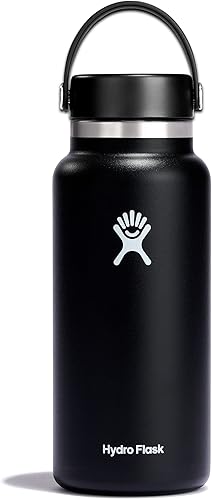
Hydro Flask 32 oz Wide Mouth [ Daily Bottle ]
In Town $42

Hydro Flask 32 oz Wide Mouth

The carry-everywhere bottle. A liter of ice water stays cold through a morning at the ballpark or an afternoon at the pool, and the wide mouth takes ice from any resort machine. The Yeti jug refills it from the car.

Field notes

The Yeti half-gallon lives in the car. This is the bottle that leaves it: light enough to carry down the Greenbelt, small enough for a stadium bag, and insulated enough that the ice from a 7 a.m. fill is still there at lunch.

Field notes:

  • Do not freeze it. Vacuum bottles crack; the Nalgene is the one that goes in the freezer overnight.
  • Check each ballpark’s bottle policy before you carry it in; the Cactus League rules change yearly and some parks want it empty at the gate.
  • The flex-lid strap is what makes it carryable with a hot dog in the other hand.

Verdict: the bottle that ends up in every photo from the trip.

Check Price on Amazon →
Chaco Z/1 Classic Sandal [ Hot Pavement ]
In Town $95

Chaco Z/1 Classic Sandal

Flip-flops fail on hot pavement and on the walk from a far parking lot. A real footbed, straps that hold on a wet pool deck, and a sole thick enough that a 150°F sidewalk in July is an inconvenience instead of a burn.

Field notes

July’s pack list says “sandals you can walk on hot pavement in,” and that rules out most of them. Thin foam soles conduct heat; thin straps let a foot slide on a wet deck. Chacos are heavy and they are not cheap, but they are the sandal people here wear for a decade.

Field notes:

  • The strap system takes an evening to dial in and then never needs touching again.
  • They are fine for the Greenbelt and the canal path; they are not a hiking sandal for the Preserve, whatever the trail-running crowd says. Granite finds toes.
  • Rinse them after the pool; chlorine stiffens the straps over a summer.

Verdict: buy once, and stop replacing flip-flops every June.

Check Price on Amazon →
Mission Original Cooling Towel [ Cooling Towel ]
In Town $17

Mission Original Cooling Towel

Wet it, wring it, snap it, and it runs cold on the back of the neck for an hour of evaporative cooling. Works on the golf cart, the ballpark berm and the walk from the far parking lot. Stops working when the monsoon humidity arrives.

Field notes

Evaporative cooling is the desert’s one free trick, and a cooling towel is the portable version. It is genuinely effective from May into early July and again in September, and mostly a wet towel in the humid weeks between. Locals carry one anyway.

Field notes:

  • It needs airflow. On the golf cart it is remarkable; sitting still in a stadium seat it is merely nice.
  • Re-wet it from the bottle every half hour. Once it is dry it is just a towel.
  • Machine washable, and it should be; a summer of sunscreen and sweat lives in it.

Verdict: seventeen dollars for an hour of relief per soak, most of the year.

Check Price on Amazon →
SportsTrail UV Cooling Arm Sleeves [ Golf & Ballpark ]
In Town $11

SportsTrail UV Cooling Arm Sleeves

Look down a Scottsdale fairway in May and half the players are wearing these: UPF 50 sleeves that go on over a polo for the back nine and come off in the clubhouse. Also the ballpark answer when the shade moves off your seat in the fourth inning.

Field notes

Golfers, spring training crowds and anyone standing in a tournament gallery share a problem: four hours of sun on the forearms with no way to reapply. Sleeves solve it without a change of shirt. Wet them at the water station and they cool the arms for a hole or two on top of it.

Field notes:

  • They go on dry and stay up; the silicone band at the top holds on a sweaty arm.
  • Keep a pair in the golf bag and a pair in the ballpark tote. They weigh nothing.
  • Light colors run cooler. Black sleeves in June are a mistake you make once.

Verdict: eleven dollars, and the reason the regulars at TPC finish a round without the farmer’s tan.

Check Price on Amazon →
Amazon Essentials Packable Hooded Puffer Jacket [ Winter Mornings ]
In Town $36

Amazon Essentials Packable Hooded Puffer Jacket

The part nobody believes: a December morning in Scottsdale is 44°F and a 6 a.m. trailhead in January is colder. A light puffer that stuffs into its own pocket covers the first three hours of the day and the resort patio after dark, then disappears into the bag by noon.

Field notes

Winter visitors pack for the postcard and arrive to a thirty-degree swing between dawn and lunch. The jacket has to be warm enough for a 45°F walk to breakfast and small enough to carry once it is 70°F, which rules out the wool coat and rules in a packable puffer. This is the inexpensive one; the women’s cut is the same jacket under a different listing.

Field notes:

  • Dawn hikes from November to February start in it and end with it tied around the waist. The stuff pocket is the whole point.
  • Resort patios have heaters, but the walk back to the room does not. Keep it with you at dinner.
  • Water resistant, not waterproof. For the two or three real rain days a winter, the poncho goes over it.

Verdict: the one piece of winter clothing a Scottsdale trip needs, and it weighs less than a water bottle.

Check Price on Amazon →
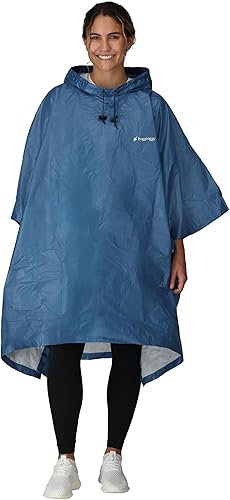
Frogg Toggs Ultra-Lite2 Rain Poncho [ Monsoon Shell ]
In Town $22

Frogg Toggs Ultra-Lite2 Rain Poncho

You will want to be outside for the monsoon storms, and for the two or three real rainy days of a Scottsdale winter. This packs to the size of a fist, costs twenty dollars, and does not care that you only use it four times a year.

Field notes

Rain gear in Scottsdale is a low-use, high-value item: the storms are short and spectacular, the winter rain is rare and cold, and in both cases the person with a shell in the trunk has a better evening than the one without. An expensive jacket is wasted here. A poncho that lives in the car is not.

Field notes:

  • Big enough to go over a pack, which matters when a storm hits on the walk back to the lot.
  • Not a hiking-in-the-rain garment. It is a stand-on-the-patio-and-watch-the-lightning garment.
  • Let it dry before it goes back in the bag; a wet poncho in a hot trunk smells like a pond by morning.

Verdict: the right amount of rain gear for a place that gets eight inches a year in a handful of afternoons.

Check Price on Amazon →
Sawyer Picaridin Insect Repellent, 4 oz [ Monsoon Bugs ]
In Town $11

Sawyer Picaridin Insect Repellent, 4 oz

Scottsdale has no bugs until the monsoon, and then it has mosquitoes for eight weeks: every patio dinner and every Salt River float from July into September. Picaridin works as well as DEET, does not melt sunglasses or sandal straps, and goes over sunscreen.

Field notes

The desert’s reputation for being bug-free is accurate for ten months of the year. The monsoon rains fill every low spot and the county starts fogging for West Nile; the back patio at dusk in August is where visitors learn that. One bottle covers the season.

Field notes:

  • Sunscreen first, repellent second, twenty minutes apart. Both matter at a 7 p.m. patio dinner.
  • Picaridin is safe on the Chaco straps and the rash guard; DEET is not.
  • It lives in the dry bag for the Salt River, where the cottonwoods along the bank hold the mosquitoes all afternoon.

Verdict: the one bottle to add for July through September, and ignore the rest of the year.

Check Price on Amazon →

Questions people actually ask

What sunscreen do I need for Scottsdale?

Two. A face sunscreen that sets dry and does not run into your eyes when you sweat, and a cheap body lotion in a bottle big enough that you will actually reapply it at the ballpark or the pool. SPF 50 for both, and a lip balm with SPF, because chapped lips are the first-day souvenir. The UV index in Scottsdale is in the extreme range from May through September and still high on a January afternoon, so the sunscreen habit is a twelve-month habit.

Is it cold in Scottsdale in winter?

At dawn, yes. December and January mornings start in the mid-40s and finish in the high 60s, a twenty-degree swing between the walk to breakfast and lunch on a patio. A packable puffer that stuffs into its own pocket is the one piece of winter clothing a trip needs. Real rain comes two or three days a winter; a poncho that lives in the car covers it.

Are there mosquitoes in Scottsdale?

For about ten weeks, July into September, when the monsoon rains fill every low spot and the county starts fogging for West Nile virus. The rest of the year the desert's bug-free reputation is accurate. One bottle of picaridin repellent covers the season; it is safe on sandal straps and swimwear where DEET is not. Sunscreen first, repellent twenty minutes later, both before a dusk patio dinner in August.

Sources

Facts checked: November 20, 2026 • Tested and written by • Prices move; the verdicts are from our own use, and the field notes on each card say how.

The weekly letter

Scottsdale, once a week, from a local

What opened, what closed, what to book and why, and the month ahead. One email a week, free, and one click to stop.

Free, and one click to stop. Signing up makes an account, which is an email address; the privacy notice says what it keeps.